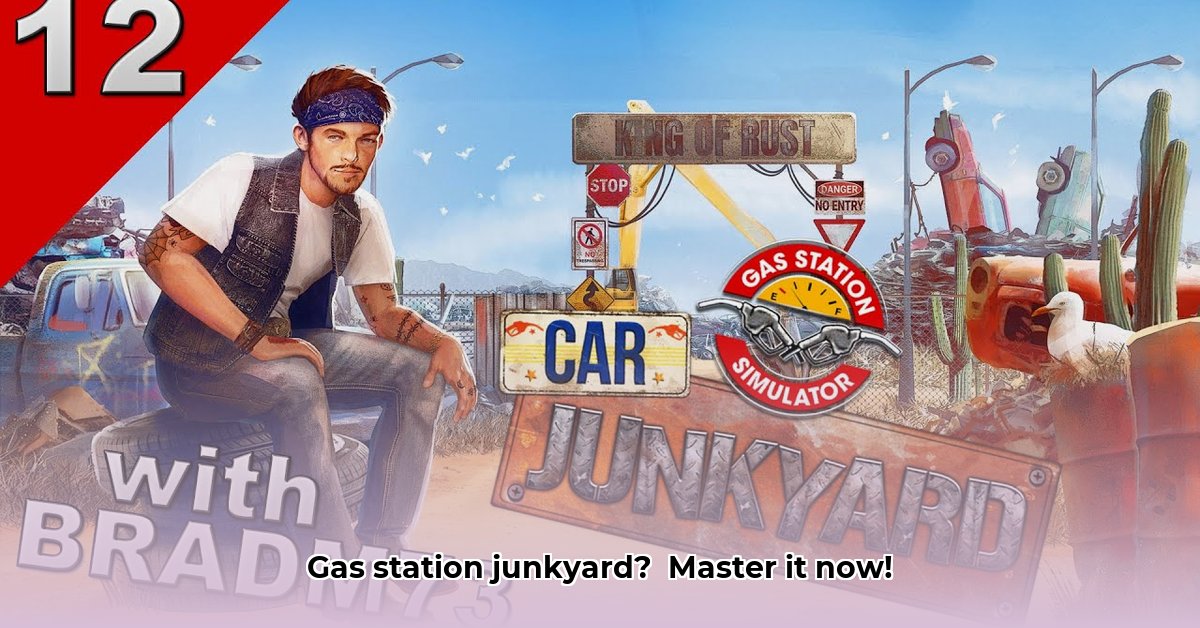
Ever dreamt of transforming rusty hulks into gleaming machines, all while keeping your gas station afloat? Gas Station Simulator's Junkyard expansion throws you headfirst into this unique blend of greasy-hands mechanics and shrewd business management. It's a captivating simulation that challenges your skills and patience, offering a surprisingly rewarding experience. This article delves into the intricacies of the game, providing both actionable strategies for success and a broader market analysis of this burgeoning niche. For more gameplay details, check out this helpful guide.
Gas Station Simulator Junkyard: A Deep Dive into Gameplay
The core gameplay loop revolves around acquiring wrecked vehicles, meticulously disassembling them, salvaging usable parts, meticulously repairing those parts, reassembling your creation, and finally, selling it for profit. This process, however simple it sounds, is surprisingly intricate and offers numerous strategic decisions at every stage.
Negotiating the price of a beat-up classic is just as important as expertly replacing a faulty engine. The game cleverly intertwines the hands-on repair work with the strategic challenges of managing your gas station—balancing inventory, optimizing pricing, and ensuring customer satisfaction—creating a dynamic and engaging experience. Do you focus on quick, high-volume repairs for steady income or take on longer, more complex projects with higher potential payouts? The choice is yours, and each one shapes your unique gameplay experience.
Mastering the Junkyard: A Step-by-Step Guide
The junkyard itself is a treasure trove of potential profit, and mastering its intricacies is crucial for success. Follow these steps for optimal results:
- The Hunt: Source your vehicles shrewdly, negotiating prices with various sellers, each offering unique deals and challenges. Time management and shrewd negotiation are key.
- The Breakdown: Carefully disassemble vehicles to salvage reusable parts and assess the extent of damage. This meticulous process directly informs your repair strategy and resource allocation.
- The Repair Shop: Employ your mechanical skills, utilizing tools and parts to restore components to their former glory. The detailed repair system adds a surprising layer of depth to the experience.
- The Reassembly: Precision is key here! A well-repaired vehicle fetches a higher price. This stage tests your mechanical knowledge and attention to detail.
- The Sale: Strategic pricing is paramount. Researching market values maximizes your profit and ensures a steady stream of income.
The Business of Junkyard Success: Beyond the Wrenches
Running a successful junkyard within the game isn't solely about mechanical prowess. Smart business management is equally vital, requiring a balance between inventory control, efficient resource allocation, and strategic pricing to maximize profit margins. Happy customers breed repeat business and positive word-of-mouth, crucial for any enterprise.
Navigating Economic Challenges
Balancing investments in tools and equipment against the demands of immediate revenue generation presents a constant challenge. Do you invest in a faster part remover now or save for a larger, more advanced tool later? The choices you make directly impact your long-term success and profitability. The scarcity of rare and valuable parts underscores the importance of both market research and skillful negotiation.
Market Analysis: A Unique Niche with Potential
The success of Gas Station Simulator and its Junkyard expansion underscores a growing market appetite for unique and engaging simulation games. The game's niche status presents a clear opportunity for developers who can successfully create a captivating and distinctive experience. The DLC model used by the developers shows promise as a sustainable revenue-generation strategy.
However, potential risks exist. Low player engagement could stifle growth, underlining the critical importance of user-friendly interfaces and captivating gameplay. Ongoing market analysis and careful attention to player feedback are imperative to gauge the long-term viability of similar niche titles.
Future Directions: Community and Innovation
The thriving online communities surrounding Gas Station Simulator Junkyard highlight the importance of player interaction and collaboration. Developing strong community features, such as player forums and in-game events, could significantly enhance player engagement and longevity. Regular content updates and expansions will further solidify the game’s long-term success.
Possible future development avenues include expanding to new platforms (consoles, VR), enriching the in-game narrative, and integrating community-suggested features—all of which could broaden the game's appeal dramatically.
Strengths and Weaknesses: A Balanced Perspective
| Strengths | Weaknesses |
|---|---|
| Unique and engaging gameplay | Steep learning curve for some players |
| Addictive gameplay loop | Potential for repetitive tasks |
| Strong potential for DLC and expansion | Limited publicly available sales data |
| Opportunity for strong community building | Reliance on a niche market segment |
In conclusion, Gas Station Simulator Junkyard offers a unique and compelling experience for simulation game enthusiasts. The blend of hands-on mechanics and strategic business management creates a captivating and rewarding cycle. Sustained success, however, hinges on continuous innovation, strong community engagement, and smart strategic decision-making in the release and marketing of future content.
⭐⭐⭐⭐☆ (4.8)
Download via Link 1
Download via Link 2
Last updated: Friday, May 30, 2025